
Google August 2026 Spam Update: What Changed and What to Do Next?
By
Rushabh Menon
Founder | Sagashi Digitals
Summarize this article using AI
Google’s August 2026 Spam Update rolled out globally from August 18 to August 21, 2026. The update applied across all languages and was Google's third confirmed spam update of 2026.
Unlike a core update, the August update focused specifically on Google's spam detection systems. Google did not announce a new spam policy or identify a specific spam technique as the target of this rollout.
If your organic traffic or rankings changed during the rollout, the first step is to determine whether the movement is connected to the spam update or normal search volatility.
Here’s what you need to know about the Google August 2026 Spam Update and what to do if your rankings dropped.
What Is the Google August 2026 Spam Update?
The Google August 2026 Spam Update was a global algorithm update designed to strengthen Google's systems for detecting spam in Search.
Google began the rollout on August 18, 2026, and completed it on August 21, 2026, after approximately two days and 16 hours. The update affected all languages globally.
The update was separate from a Google core update. This means ranking changes should not automatically be interpreted as a general reassessment of your site's content quality or relevance.
When Did the Google August 2026 Spam Update Roll Out?
The Google August 2026 Spam Update started on August 18, 2026, and was completed on August 21, 2026.
Google August 2026 Spam Update Timeline
- Update started: August 18, 2026
- Update completed: August 21, 2026
- Rollout duration: About 2 days, 16 hours
- Scope: Global
- Languages: All languages
- Update type: Spam update
What Did the Google August 2026 Spam Update Target?
Google did not specify which individual spam tactics were targeted by the August 2026 update.
However, Google's existing spam policies cover practices designed to manipulate Search rankings rather than help users.
Scaled content abuse
Google defines scaled content abuse as creating many pages primarily to manipulate search rankings rather than help users. This can involve automated systems, human writers or a combination of methods.
Scraped or copied content
Content that simply reproduces information from other websites without adding meaningful original value can create quality and spam concerns.
Keyword stuffing
Excessive or unnatural use of keywords intended to manipulate rankings can violate Google's spam policies.
Link spam
Artificial links created primarily to manipulate search rankings are also covered by Google's spam policies.
The important point is that the August update should not be treated as proof that Google introduced a new spam category. No such category was announced with this rollout.
Did the Google August 2026 Spam Update Target AI Content?
There is no official confirmation that the August 2026 Spam Update specifically targeted AI-generated content.
Google's spam policies focus on the purpose and quality of content rather than simply whether AI was involved in producing it. Google's documentation specifically describes scaled content abuse in terms of producing large amounts of unoriginal content to manipulate rankings, regardless of how that content is created.
This means using AI for research, outlining, drafting or editing does not automatically make a page spam.
The bigger risk is using automation to mass-produce low-value pages primarily for search visibility.
How Much Did the Google August 2026 Spam Update Affect Rankings?
The update produced significant ranking volatility.
According to SE Ranking data reported by Search Engine Land, 16.71% of URLs that had previously ranked in Google's top 10 dropped beyond the top 100 during the August update, compared with 9.2% during a comparable period without a confirmed ranking update. That represented an 82% increase.
The analysis also found substantial movement across all 20 industries it monitored.
However, ranking volatility does not prove that every affected website was hit by spam detection. Other ranking systems, competition and normal fluctuations can also contribute to changes.
What Should You Do If Your Rankings Dropped?
If your rankings declined during the Google August 2026 Spam Update, avoid making large changes immediately.
Instead, investigate the pattern.
1. Check your performance in Google Search Console
Compare your performance before, during and after the August 18–21 rollout.
Look at:
- Organic clicks
- Impressions
- Average position
- Affected queries
- Affected pages
2. Identify which pages lost visibility
Check whether ranking losses are concentrated around particular:
- Content formats
- Topic clusters
- Templates
- Location pages
- Product pages
- Programmatic pages
A pattern across multiple pages is more useful than a decline in one keyword.
3. Audit your content
Review affected pages for:
- Originality
- Search intent
- First-hand experience
- Accuracy
- Usefulness
- Repetition
- Unnecessary keyword targeting
- Scaled publishing patterns
Google's spam policies specifically warn against creating large amounts of unoriginal content primarily to manipulate Search.
4. Review your SEO practices
Look for tactics that may have been designed primarily to manipulate rankings, including artificial link-building, keyword stuffing or large-scale publishing of pages with little independent value.
5. Don't delete content simply because it uses AI
AI-assisted content isn't automatically spam.
Instead, evaluate whether each page provides useful information, demonstrates appropriate expertise and adds something beyond what already exists in Search.
How Can You Prevent Future Google Spam Update Problems?
The strongest approach is to build your website around useful, original and people-first content.
Focus on:
- Creating content around genuine search intent
- Adding original research and insights
- Demonstrating relevant expertise
- Avoiding mass-produced low-value pages
- Keeping information accurate and updated
- Building relevant editorial links
- Avoiding manipulative SEO tactics
- Using AI as a production aid rather than a replacement for expertise
The goal is not to predict every future Google update. It is to build an SEO strategy that does not depend on exploiting ranking loopholes.
What Does the Google August 2026 Spam Update Mean for SEO?
The August 2026 Spam Update reinforces an important SEO principle: more content does not automatically mean more organic visibility.
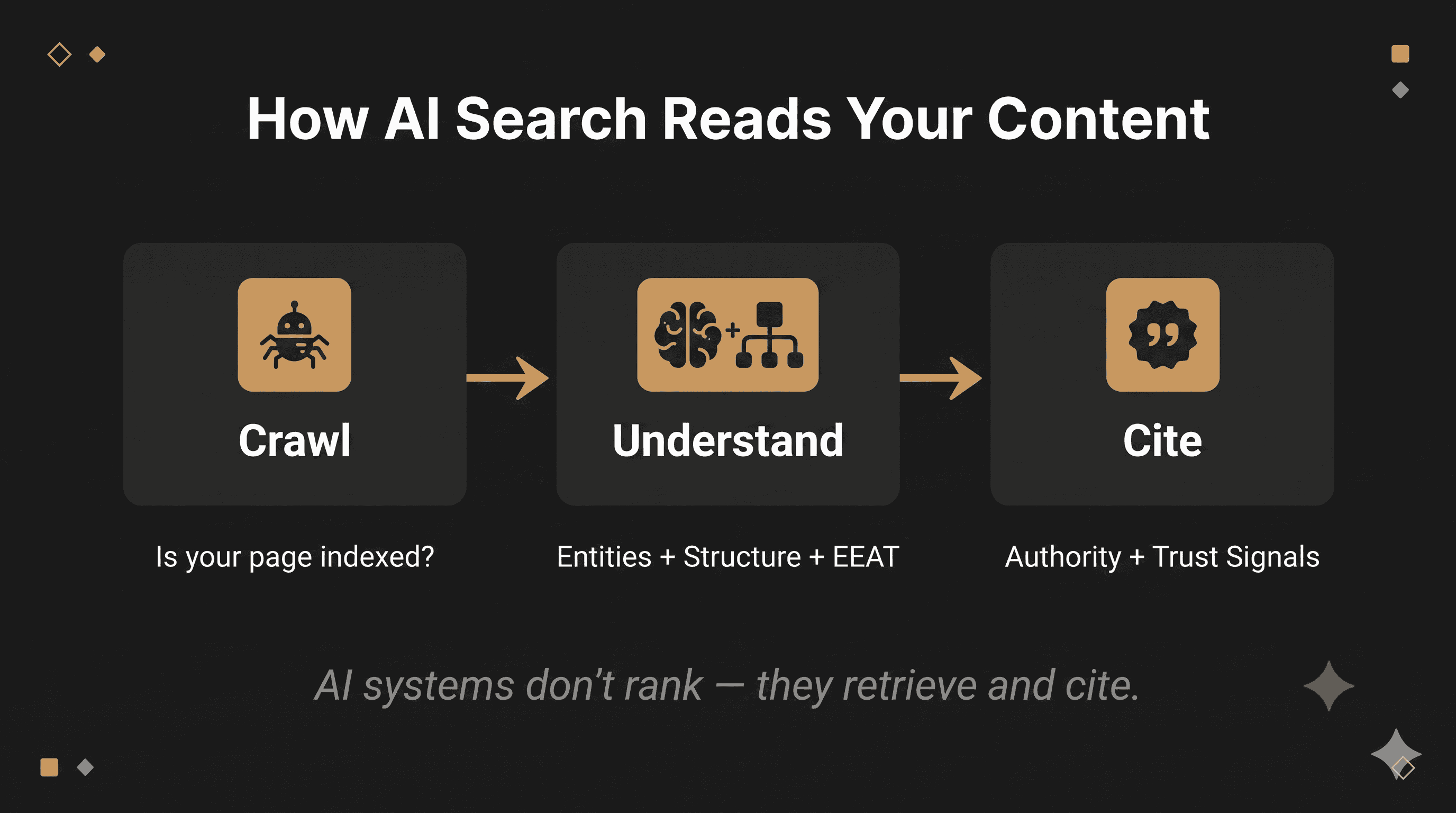
AI has made it much easier to produce content at scale. That makes originality, usefulness and genuine expertise even more important.
For SEO teams, the priority should be to understand why a page deserves to rank—not simply how quickly another page can be published.
If your website experienced a decline during the August 2026 Spam Update, use the rollout as an opportunity to audit your content and SEO practices instead of making reactionary changes.
Commonly Asked Questions About the Google August 2026 Spam Update
How do I know if the August 2026 Spam Update affected my website?
Look for a sustained change in organic visibility that coincides with the update period, particularly across multiple pages and queries.
Open Google Search Console and compare your performance before and after August 18–21. Look for significant changes in clicks, impressions and average position.
You can also compare your ranking patterns with industry volatility and competitors. A decline affecting only one or two keywords may simply be normal ranking movement, while widespread losses across similar pages deserve a deeper content and SEO audit.
What should I check in Google Search Console after a spam update?
Start with the Performance report.
Check:
- Total clicks
- Total impressions
- Average position
- Queries
- Pages
- Countries
- Search appearance
Compare a period after the update with a similar period before it. Then identify which pages experienced the largest losses.
You should also check Google Search Console's Manual Actions and Security Issues reports. A spam update is algorithmic, while a manual action is a separate enforcement mechanism.
Can thin content cause ranking losses after a Google spam update?
Thin or low-value content can contribute to poor search performance, but you should not assume that every page with a low word count is spam.
A short page can be useful if it completely answers the user's query. Conversely, a 2,000-word article can still be low value if it adds nothing original.
The better question is whether the page provides enough useful information to satisfy the search intent.
Does Google penalize websites for publishing AI-generated content?
Google does not prohibit content simply because AI was used to create it.
The concern is scaled content abuse: creating large amounts of unoriginal content primarily to manipulate rankings. Google's spam documentation explicitly states that scaled content abuse applies regardless of whether the content is produced by automation, humans or a combination of methods.
If AI is part of your workflow, focus on editorial oversight, accuracy, originality, expertise and genuine value rather than simply increasing publishing volume.
Frequently Asked Questions
The Google August 2026 Spam Update started on August 18, 2026, and was completed on August 21, 2026. The global rollout lasted approximately two days and 16 hours.
No. The August 2026 update was classified as a spam update, not a core update. It was focused on Google's spam detection systems.
Google did not say that the August update specifically targeted AI-generated content. Its existing spam policies focus on practices such as scaled content abuse, where large quantities of unoriginal content are created primarily to manipulate Search.
Start by comparing your organic performance before and after the August 18–21 rollout. Identify the pages and queries that lost visibility, then audit those pages for low-value, repetitive, scaled or manipulative SEO practices. Avoid making site-wide changes until you have identified a clear pattern.
Google does not follow a fixed schedule for spam updates. In 2026, the August rollout was the third confirmed spam update of the year, following spam updates in March and June. Because Google can also improve its automated spam systems outside of named updates, SEO teams should not wait for an official spam update before reviewing potentially manipulative or low-value practices.
Ready to Get Found by More Customers?
We help you generate qualified inbound leads through search - without paying for ads. Our content strategy is built to create a consistent pipeline, shorten sales cycles, and turn organic traffic into revenue.